|

Why Colón
Colón is all the tropic ports of Joseph Conrad and Somerset Maugham. Rightly so. Every street corner and bar here knows ten thousand tales as exuberant or as melancholy or as cockeyed or as ironic as any those two travellers spun.
It is true that there is a rampant poverty in Colón, but it is a vibrant, pulsing and fascinating place, rich in culture.
This is what Lonely Planet writes about Colón:
"The mere mention of Colón sends shivers down the spines of travelers and Panamanians,..."
So, why would anyone in their right mind want to visit Colón? read on what Lonely Planet has to say...
"... but there is more to the province than its notorious capital. Stretching along the Caribbean coast
from Veraguas Province in the west to the Comarca de Kuna Yala in the east, Colón Province
is mostly undeveloped and virtually inaccessible, but steeped in a rich, accessible history.
During the colonial era, gold and silver bound for Spain were stored at the Caribbean
coastal towns of Nombre de Dios and Portobelo. These were once the world’s wealthiest cities,
attracting scores of pirates. In 1572 the English privateer Francis Drake sailed into Nombre de
Dios and plundered its riches before reducing the city to ashes. In 1739 Portobelo was sacked
by Admiral Edward Vernon, forcing Spain to finally abandon the Panama crossing in favor
of sailing around Cape Horn. Today, the ruined city of Portobelo and the nearby fortress of
Fuerte San Lorenzo stand as testaments to the faded glory of the Spanish empire.
The provincial town of Colón has also long passed its zenith. Although the city itself is an
urban jungle racked by violent crime, the surrounding area is home to everything from pristine
beaches and lowland rainforests to colonial splendors and modern engineering marvels. Within
the span of a few days, you can snorkel in Caribbean waters, spot tropical birds on private
reserves, stumble across ruins and admire the massive locks on the lesser-known side of the
canal. And of course, it’s worth mentioning that the luxury train connecting Panama City to
Colón is arguably one of the greatest rail journeys in the Americas."
Colón is off the world toursim radar and tour operators have yet to discover and expoit it, so it is mostly tourist free all year round. Tourism is in its infancy, so, for the present it is a real off-the-beaten track destination.
Ocean to Ocean in only 2 hours - Yes, only in Panama can you go from the Pacific coast to the Atlantic coast - in two hours and find yourself in an idyllic Caribbean setting. Colón lies less than an hour by road from Panama City, or by the luxurious Historical Panama Canal Railway.
Set along the turquoise waters of the Caribbean coast, the province has a wide variety of attractions-beautiful beaches and islands, fascinating historical sites, the largest Free Trade Zone outside Hong Kong, a state-of-the-art cruise port, world-class bird watching, diving and snorkeling and a spectacular 5 star hotel/convention center on the Panama Canal.
What To Do:
Historical sites:
Portobello: A picturesque bayside town of with the ruins of 5 Spanish forts and a Spanish Colonial treasure house (the Aduana Real) which was restored by the Spanish Government in 1998. In Spanish colonial times the Portobello Treasure House was the center for trans-shipment of all the Peruvian gold and treasure taken from Latin America to Spain. Spanish galleons came and went constantly and many fairs were held.
That ended with the arrival of English pirates like Sir Francis Drake who repeatedly looted Portobello's treasures and brought about its eventual demise. The Portobelo Ruins are a pilar of Spanish colonial times, and a UNESCO World Heritage Site. Sir Francis Drake was buried in a lead coffin off Portobello. Read more:.
The Customs Building: Also located in the town of Portobelo, this colonial building is the old headquarters of the Spanish customs offices when they were importing African slaves into the New World. It is now a museum - a dedication to the thousands of Black immigrants who are an important element of Panamanian culture and constitute the majority of the population of Portobelo and Colón.
The Black Christ Church and Museum:Also at the town of Portobello. Previously the San Juan de Dios (St. John of God) Catholic Church, this museum is dedicated to Portobelo's patron saint. It displays a plethora of robes and religious paraphenalia belonging to the statue of the Black Christ, which is surrounded by many myths. It resides in Portobelo's San Felipe Church and honored in a great festival on October 21st. Read more:
Isla Grande:A small island about an hours drive from Colón, is a must visit, even if you dont go to the Island itself, just the drive up to Isla Grande is worth it. The Island itself is about 5 minutes boat ride from the small village of La Guayra. Lush verdant landscape, crystal clear waters, and a laid-back Caribbean atmosphere, friendly locals make Isla Grande Panama's most popular island vacation spot. Isla Grande offers the visitor snorkeling, diving, surfing, jet-ski, boatrides, banana boats, and relaxation. Numerous inexpensive cabins, as well as larger, more expensive hotels cater to all. The islands waterfront restaurants and bars make for a peaceful and worthwhile visit.
Fort San Lorenzo: A well preserved fort ruin perched high on a stunning promotory above the Chagres River as it meets the sea. Sir Henry Morgan attacked the fort and made away with booty in 1666. It is essential to go with a tour operator since to date this unusual site has no signs or tourist info of any kind. The breathtaking view of the crystal blue Carribean water, is a treat in itself. But throw in the well-maintained fort and you can just feel the history. Visiting this place, one can see why the Spanish wanted to set up fort here. Read more:
Ride on the Historic Panama Railroad: This is an amazing trip. One way tickest are $25.00, roundtrip tickets are $38, which is steep, but well worth it. The views of Gatun Lake, the Panama Canal, and the rainforests are beautiful. The train is a beautifully restored locomotive complete with a splendid observation car. On the trip, which lasts about one hour fifteen minutes, a complimentary snack box is served.
The Gatun Locks:
The biggest locks in the Panama Canal, Gatun Locks on the Atlantic side of the canal does the work of two set of locks on the Pacific side:the Miraflores and Pedro Miguel Locks.
That makes Gatún Locks absolutely massive and a very impressive sight, a little less than a mile (more than 1.5 kilometers) from end to end. A couple of observation platforms give an excellent view of the locks, the Caribbean entrance to the canal, and Lago Gatún. There is also a small scale model of the entire canal.
The locks are open to visitors 9 a.m.– 4 p.m. seven days a week.
Nearby is the well maintained town of Gatun. A visit will give a taste of what life in the old Canal Zone looked like.
Shopping:
Cruise Port: Colón 2000 is a state of the art cruise port with a duty free shopping complex. Opened just a short five years ago, it is becoming one of the most popular cruise ship destinations in the Caribbean, recieving upwards of 70 ships per year.
Yatching:
There is a nice Yatch Club in Colón. Shelter Bay Marina is located on the site of Fort Sherman. In the town of Portobello, the bay is dotted with yachts. Portobello is a favorite place for international yachters, many of whom set down anchor and make the area a second home.
Swimming: Of course you must know this by now, the Atlantic coast of Panama has no tides, so the beaches in Colón are safe, with white sand. The best beaches in the whole country are in Colón, the most famous being Playa Langosta, on Sundays, people come all the way from Panama City in busloads to swim at this popular beach.
Birding and Nature:
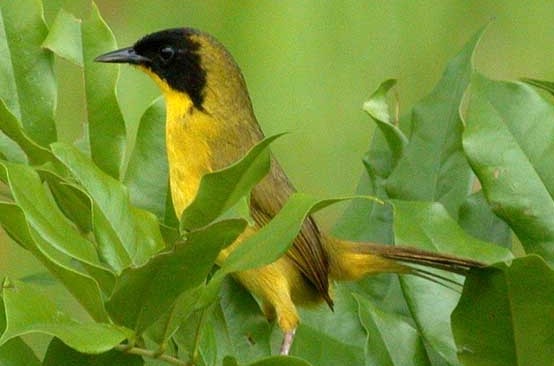
Achiote Road: one of the world's best birding spots and so easy to get to! An 1.5 hour easy drive by highway from Panama City on a Go with a nature guide or birding guide. This is what a recent article in the New York Times had to say about Achiote Road:
"This unlikely setting (Achiote Road) is the prime birding site in Panama, where more than 340 species are counted during the annual 24-hour Atlantic Christmas Bird Count. Ken got out of the bus saying he wanted to see the spot-crowned barbet, which would be a first for him, and within minutes one obediently flew into a tree across the road. There were mealy parrots, orange chinned parakeets, a flock of more than 100 swallowtail kites, two white hawks fighting overhead, a whole family of howler monkeys - a constantly changing show."
- Nobody Here But the Birds - New York Times , April 2002.
Birding at the Sierra Llorona Lodge near the surfing zone on the Atlantic NE. A private reserve of 200 hectares near Colón, in tropical rain forest. A great place for birders, but also to anyone interested in tropical nature, adventure or just relaxation. Experience a day or two walking in this dense jungle, being able to see unique wild species of the tropics such as monkeys, birds and sometimes even small wild pigs.
Adventure:
Visit Embera Quera Village:After a drive of only 25 minutes from Colón, or 45 minutes from Panama City, you will take a gorgeous and tranquil 20 minute canoe ride to the Embera Quera Village for possibly the highlight of your time in Panama!
Their distinct culture has remained virtually unchanged throughout the years. While you're here, watch the native people create traditional hand-woven baskets and miniature carvings from the tagua nut (the fruit of the vegetable ivory palm). This side trip will give you the once in a lifetime opportunity to see an ancient culture and help keep it alive by buying their handicrafts, unique to the Emberá Indians.
Canopy Tour: Originally developed by scientists to study the biodiversity found in the canopy of trees, the method involved rigging large trees with climbing gear, cables, ladders, etc. By means of this gear, biologists were able to swing from one tree to another, over chasms and water, to study larger areas of the forest. They also discovered it was a LOT of fun!
Nowadays, several canopy tours have been developed around the world, with Canopy Rio Piedras being the only one in the Panamanian Atlantic coast only an hours drive from Colón. This adventure allows anybody to rise to the top of the tree and switch on the adrenaline, as you swish through the air from one gigantic tree to another. Unlike Tarzan...in complete safety.
Canopy Rio Piedras is definetely the best Canopy Tour in the whole country. The series of platforms are sometimes located over 100 feet high and up to 450 feet apart, enough to wake you up! Consisting of nine segments, one of them takes you to the top of a 100 foot tall tree called "Arbol de 7 muertos", no dont worry no one has died on that tour. Its appropriately called Adrena-line Factory, so beware, its not for the faint-hearted. Because once you are on that "Arbol de 7 muertos" tree, there is no going back, you have to go forward. Takes about 45 minutes and costs $40.00 per person. They also offer hiking trails, and tubing in the river. Open 7 days a week. On the way to Portobelo.
Nature Walks:Those who enjoy nature will tell you that a walk through a tropical forest is a unique experience.
Major providers of the air we breathe, the source of most elements used to create modern day medicine and a legacy to our children, the Tropical Rainforest must be explored and understood by all in an effort to give our planet a better chance. Canopy Rio Piedras also offers Nature Walks
River Tubing:Canopy Rio Piedras also offers River Tubing in the Rio Piedras.
Kayaking:
The area is a perfect place for sea kayaking. You can combine history and outdoor adventure with a kayak trip from Gatun Locks in the Panama Canal, into the lower Chagres River to historic Fort San Lorenzo.
You can also go Kayaking near Scuba Panama on the way to Portobelo.
Surfing:
Along this coast you will be able to experience the most challenging swells. This is due to the fact that most of the swells this region receives are from the NE of the Atlantic Ocean. The most consistent swells for this region are from December through March and inconsistent clean swells from June to July. Surf population in this region is 0% and tides only fluctuate from 1ft to 4ft meaning you can surf these spots as long as you want and without crowds! Read more:
Scuba Diving/Snorkeling:
The Portobelo area offers several good diving spots including sunken ships and reefs. The coral reefs near the Isla Grande Hotel are a good place to start. Scuba Panama just outside Portobello has full diving tour services.
Ecotourism:
Barro Colorado Nature Preserve. This is a 3,700-acre island located in Gatun Lake, which has been a rain forest preserve since 1923. It is maintained by the Smithsonian Tropical Research Institute, and represents some of Panama's natural beauty. Guided tours will take you around here. This is where you will find the longest patch of tropical rainforest in the Western Hemisphere.
Colón has some of the most accessible rainforests on earth. You will find a wide range of tropical landscapes that are turning Colón into a major destination for eco-adventure with a variety of attractions available to rediscover the breath-taking harmony of nature: innocent, pure, inviting.
Panama is a natural land bridge that connects North and Central America with South America. Consequently, Panama's tropical jungles and forests are teeming with animal and plant species from both continents.
In total, there are 954 indigenous bird species plus hundreds of migrating bird species. This is more than can be found in North America and Europe combined, and it includes some of the rarest on Earth. Panama is also home to 225 mammal species, 214 reptile species and 143 amphibious species, as well as host to more than 10,000 plant species, including 1,200 orchid varieties, 678 fern species and 1,500 varieties of trees.
In the forests around Colón, some two hundred species of butterflies are present in this zone, where the less dense undergrowth makes spotting easier than in the deeper forest.
Panama is taking strong measures to protect and promote one of its best kept secrets: a national park and wildlife refuge system that is equal to or more extensive than any other in Central America. Currently 29 percent of Panama's total area is protected. There are 15 parks, reserves and refuges, a dozen forest reserves and 10 wild life sanctuaries, which are all places you can tour and discover a rich variety of flora and fauna within hours of Colón and Panama City.
Panama also had hundreds of islands and kilometers of protected coral reef, which shelter a wide diversity of marine life.
Best Times to Go: January to April is best for hiking and lowland areas are cooler. The weather is dryer and a nice cool breeze blows all the time.
Getting There: This is one of the most accessible regions in Panama and all areas described are reached from the Panama-Colón road.
Clothing/Gear: No special clothing/gear is needed unless you plan to go rafting, scuba diving or to hike overnight in the rainforest. Bring insect repellent and sun tan lotion. For overnight hiking in heavily forested areas, you will need a hammock, mosquito netting, raingear and an extra change of clothing.
Remember to carry drinking water whenever you go hiking.
Click here for a list of Tour Operators:
Home

|